
Understanding the House Edge
The concept of the house edge is fundamental to understanding how casinos operate and the odds faced by gamblers. The house edge refers to the mathematical advantage that the casino has over players in any given game. This advantage varies depending on the game being played; for example, slot machines typically have a house edge of around 5% or more, while games like blackjack can have a lower edge, sometimes around 1%, when played strategically. By grasping the house edge, players can make informed decisions about casino neosurf which games to play and how much they can reasonably expect to win or lose.
Moreover, the house edge is not just a static number; it can be influenced by various factors including the rules of the game, the strategy employed by the player, and even the specific version of the game being played. For instance, in blackjack, using optimal strategy can reduce the house edge significantly, thus increasing the player’s chances of coming out ahead. It’s crucial for players to understand that while the house always has an advantage, informed choices can mitigate that edge to some extent.
In addition, the understanding of the house edge equips players with the knowledge needed to set realistic expectations. Many gamblers enter a casino hoping for a substantial win, often disregarding the statistical realities of gambling. Acknowledging that the house has a built-in advantage encourages players to approach gambling more as a form of entertainment rather than a reliable method to make money. This mindset can help them enjoy their time at the casino without falling into the trap of chasing losses or developing unrealistic expectations.
Strategies for Beating the House
While the inherent odds are stacked against players, there are several strategies that can increase the chances of winning at casino games. One of the most effective strategies includes learning the optimal playing techniques for specific games. For example, in games like blackjack and poker, understanding the basic strategies and playing them correctly can result in a lower house edge, which ultimately increases the player’s chances of success. This knowledge is often found in strategy charts or detailed tutorials that outline the best moves in various scenarios.
Another approach involves bankroll management, which refers to the practice of setting a budget and sticking to it. By establishing limits on how much to wager within a given session, players can avoid devastating losses and prolong their gaming experience. Effective bankroll management allows gamblers to play responsibly while maximizing their enjoyment and minimizing potential losses. This method can be particularly crucial when engaging in high-stakes games where the risks—and potential rewards—are amplified.

Furthermore, taking advantage of promotional offers, bonuses, and loyalty programs can also be a strategic way to mitigate the house edge. Many casinos offer enticing bonuses for new players, which can be used to extend gameplay without additional financial commitment. Understanding the terms and conditions attached to these promotions is essential to ensure that players can fully benefit from them without falling into traps that might ultimately favor the casino. By leveraging these promotions wisely, players can enhance their bankroll and increase their chances of winning.
The Role of Skill vs. Luck
When discussing whether players can beat the house, it is important to recognize the interplay between skill and luck in gambling. Certain games, like poker and blackjack, heavily rely on strategy, calculations, and psychological insight. Skilled players who understand game mechanics and can read their opponents may find that their skill sets give them an advantage over less knowledgeable players and even the house itself. In these games, players can significantly improve their odds if they invest time in learning optimal strategies and practicing consistently.
Conversely, many other casino games, particularly slot machines and roulette, are largely based on chance. In games where outcomes are entirely random, the concept of skill becomes irrelevant. Players can do little to influence the results, and their wins or losses are dictated solely by luck. This lack of control can be both exhilarating and frustrating for players, but it underscores the importance of approaching these games with a mindset focused on entertainment rather than profit. Understanding the nature of these games helps players manage their expectations and enjoy the experience more thoroughly.
Ultimately, while skill can provide an edge in some games, it cannot guarantee victory. Players must recognize that every bet carries a risk, and even the most skilled player can experience losing streaks due to the inherent randomness of gambling. Thus, the blend of skill and luck plays a significant role in whether one can feasibly beat the house, and it’s vital to maintain realistic expectations when participating in casino games. Emphasizing skill development where applicable can enhance the overall gambling experience, while also acknowledging the role of luck in more random games.
The Psychological Aspect of Gambling
The psychological factors influencing gambling behavior cannot be overlooked when considering the relationship between players and the house. Casinos are designed to create an intoxicating atmosphere that can lead to overindulgence. The flashing lights, vibrant sounds, and complimentary drinks aim to keep players engaged and, at times, distracted from the realities of gambling. This environment can create a false sense of security and encourage players to gamble beyond their means, often leading to significant losses. Awareness of these psychological tactics can help players remain vigilant and focused during their gaming sessions.
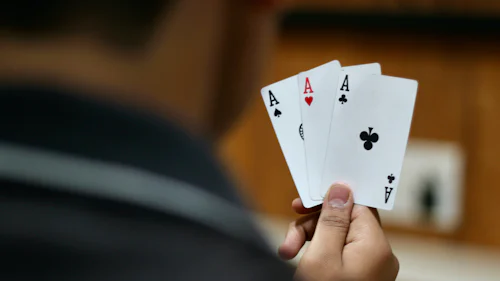
Moreover, cognitive biases such as the gambler’s fallacy—where players believe that past outcomes will influence future results—can also skew perceptions and decision-making. For instance, a player may feel that a slot machine is “due” for a win after a series of losses, leading them to wager more in hopes of recouping previous losses. Understanding these psychological traps is crucial for anyone serious about their gambling endeavors, as awareness can promote more rational decision-making. By recognizing these tendencies, players can make more informed choices about their betting strategies and amounts.
Additionally, the social aspects of gambling can also play a significant role in how individuals interact with games and the house. Many people visit casinos not only for the thrill of potential winnings but for the camaraderie and entertainment found in the gaming environment. This social interaction can create a sense of belonging, leading players to spend more time and money in casinos than they initially intended. Being mindful of these factors can help players maintain control over their gambling habits and approach it with a healthy mindset. Socializing can enhance the enjoyment of the experience, but players should remain aware of their limits to prevent excessive gambling.
Conclusion: The Path Forward
Understanding the dynamics of casino gambling is essential for anyone looking to engage with these establishments. While the house always holds a statistical edge, players can employ strategies such as optimal play, bankroll management, and a thorough understanding of the games they choose to increase their chances of winning. It is essential for gamblers to recognize the importance of skill in certain games while being acutely aware of the randomness inherent in others. A balanced approach that combines enjoyment with strategic planning can enhance the overall experience.
Moreover, maintaining a strong grasp on the psychological elements of gambling can help players navigate their experiences more responsibly. Recognizing the impact of the gambling environment and cognitive biases can lead to more informed choices and a healthier approach to gaming. Ultimately, while players may not always be able to beat the house, they can create experiences that are both entertaining and financially sustainable. By prioritizing responsible gambling practices, individuals can enjoy their time in casinos while minimizing potential negative consequences.
As players continue to engage with casinos, it is imperative to seek out reliable resources and information to enhance their gambling knowledge. This website aims to provide comprehensive insights, tips, and strategies that empower players to approach casino games with informed confidence. By fostering a culture of responsible gambling, we can all work towards maximizing enjoyment and minimizing detrimental behavior in the gaming world. Our goal is to support players in making educated decisions that enhance their gaming experience while promoting a balanced and healthy relationship with gambling.