The hidden triggers behind gambling addiction Understanding the psychology at play
The Role of Environmental Cues
Environmental cues significantly influence gambling behavior, often acting as powerful triggers for addiction. The presence of bright lights, engaging sounds, and the overall atmosphere of excitement in casinos can create a sensory overload that captures a player’s attention. This stimulation can evoke emotions that lead individuals to gamble more, even when they initially intended to spend only a small amount. For many, these cues become synonymous with pleasure, reinforcing the desire to return to gambling venues. As players explore options, they may discoverhttps://prime-slots-casino.co.uk/ offers that heighten their gaming experiences.
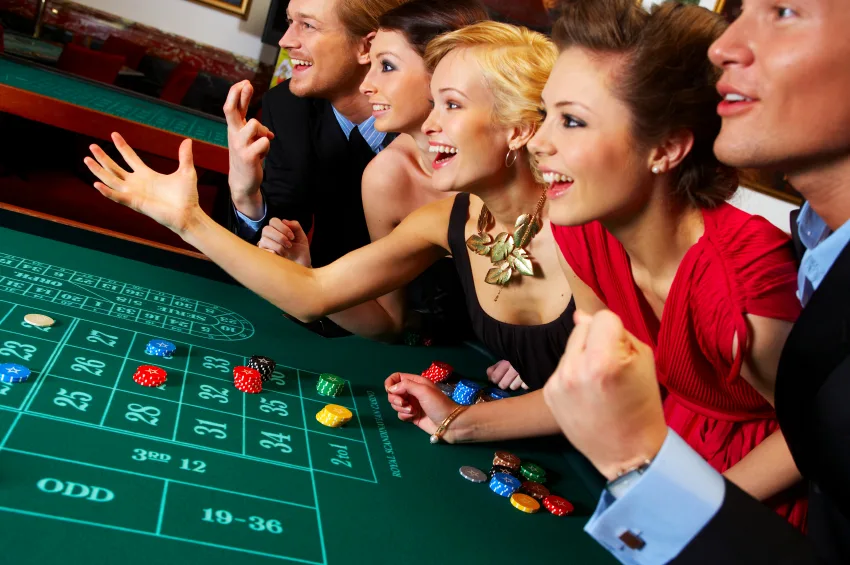
Moreover, certain locations, such as bars and casinos, are designed to encourage extended play through their layouts and aesthetics. The smell of food, the sounds of winning, and the ease of access to gaming machines can create an immersive experience. These environments can manipulate a person’s psychological state, leading them to ignore their financial limits. It is crucial to recognize how these elements operate subconsciously, making it difficult for individuals to resist the urge to gamble.
Additionally, social interactions in these environments can further exacerbate gambling tendencies. Friends and acquaintances who gamble can normalize the behavior, creating a social pressure that is hard to resist. As players see others winning, they may feel an urge to participate in hopes of achieving similar success. This collective dynamic can transform gambling from a personal choice into a social experience that reinforces addiction.
The Impact of Psychological Factors
Understanding the psychological factors behind gambling addiction is essential in addressing its complexities. Individuals suffering from low self-esteem or a lack of control in their lives may turn to gambling as an escape. This behavior often stems from a desire to regain a sense of power or worth, making the act of gambling an appealing option. When players experience a win, even a small one, it can produce a temporary boost in self-esteem, leading them to chase those highs more frequently.
Another significant psychological factor is the illusion of control. Many gamblers believe they can influence the outcome of games, particularly in skills-based games like poker. This illusion can become dangerous; it leads players to think they can win back losses through continued play. The excitement and thrill of potential wins can create a cycle of behavior that is difficult to break, trapping individuals in a continuous loop of hope and disappointment.
Additionally, feelings of anxiety and depression can also play a role in fostering gambling addiction. Many individuals use gambling as a coping mechanism, attempting to distract themselves from their problems. Unfortunately, this often leads to a vicious cycle, where gambling exacerbates existing mental health issues, resulting in greater emotional distress. Understanding these underlying psychological factors is essential for effective intervention and treatment strategies.
The Allure of Rewards and Near Misses
The gambling industry is expertly designed to exploit the psychology of rewards, particularly through the concept of near misses. Research shows that when players experience a near miss, such as missing a win by one symbol, their brain releases dopamine, similar to the reward response. This reaction can lead gamblers to believe they are closer to winning, even when statistically, their chances remain unchanged. Such perceptions can fuel compulsive gambling behavior.
This mechanism is often visible in slot machines, where the design and frequency of near misses are intentional. For instance, players may see multiple symbols align closely without resulting in a payout, leading them to feel they are “on the verge” of winning. This powerful illusion encourages players to continue gambling in pursuit of the elusive jackpot, making it a critical factor in the development of gambling addiction.
Moreover, casinos frequently use loyalty programs and bonuses as additional incentives to keep players engaged. These reward systems can create a sense of belonging and accomplishment, further reinforcing the gambling habit. For many, the excitement of accumulating points or bonuses can overshadow the financial losses incurred, contributing to a cycle of addiction that is difficult to escape.
The Role of Social and Cultural Influences
Social and cultural factors significantly shape attitudes toward gambling, often normalizing the behavior within certain communities. In cultures where gambling is widely accepted or even celebrated, individuals may feel less inclined to view their gambling habits as problematic. This normalization can lead to increased participation rates and, consequently, higher rates of addiction. Understanding these cultural contexts is essential for addressing gambling addiction effectively.
Peer pressure also plays a crucial role in the prevalence of gambling addiction. Friends or family members who gamble may unintentionally encourage others to participate, normalizing the behavior. As individuals engage with their social circles, they may experience a fear of missing out, prompting them to gamble more than they otherwise would. This dynamic can create a cycle of behavior that perpetuates gambling addiction, especially in younger adults and adolescents.
Furthermore, marketing strategies employed by gambling establishments contribute to this issue. Advertisements often glamorize the lifestyle associated with gambling, portraying it as an exciting and glamorous activity. This portrayal can impact public perception, leading individuals to associate gambling with positive experiences rather than potential harm. Combating these cultural narratives is vital for raising awareness and addressing gambling addiction on a broader scale.

Prime Slots Casino: A Responsible Gaming Approach
Prime Slots Casino is committed to providing a safe and responsible gaming environment. The platform is designed with player safety in mind, utilizing advanced encryption technology to protect personal information. It offers a diverse range of games, ensuring that players have multiple entertainment options while also promoting responsible gambling practices. The casino emphasizes the importance of setting limits and recognizing the signs of problem gambling.
Additionally, Prime Slots Casino provides various resources for those who may be struggling with gambling addiction. By offering support tools, such as self-exclusion programs and access to counseling services, the platform aims to help players maintain control over their gambling habits. The goal is to foster a sustainable gaming experience, ensuring that entertainment does not lead to addiction.
As an advocate for responsible gaming, Prime Slots Casino continues to educate players about the risks associated with gambling. Through informative content and accessible resources, the platform strives to create a community that prioritizes well-being and safety. By understanding the hidden triggers behind gambling addiction, both players and operators can work together to mitigate the risks and promote healthier gaming experiences.